
![Organic Four Color Organic Seal - AI (Adobe Illustrator) [Converted].png](https://static.wixstatic.com/media/068b50_4d7caf6602df40b3842b233c65cb6e13~mv2.png/v1/fill/w_40,h_40,al_c,q_85,usm_0.66_1.00_0.01,enc_avif,quality_auto/Organic%20Four%20Color%20Organic%20Seal%20-%20AI%20(Adobe%20Illustrator)%20%5BConverted%5D.png)

Ceylon vs Cassia Cinnamon: The Hidden Difference Behind the “Queen of Spices” (And Why It Matters)
- Mar 10
- 5 min read
Updated: Mar 16
For thousands of years, cinnamon has been one of the most prized spices on earth...

In ancient Rome and Egypt, its value was so extraordinary that myths were invented to explain its rarity. One famous legend described giant birds called Cinnamologus that built their nests from cinnamon sticks on towering cliffs. Traders claimed they had to lure the birds away with heavy pieces of meat so the nests would collapse—sending precious cinnamon raining down to the ground.
Historians now believe these tales were likely spread by spice traders to protect the true origin of cinnamon and justify its high price.
The real source of cinnamon, however, was far more delicate.
It comes from the inner bark of a tree native to Sri Lanka called Cinnamomum verum, also known as true Ceylon cinnamon — long celebrated as the “Queen of Spices.”
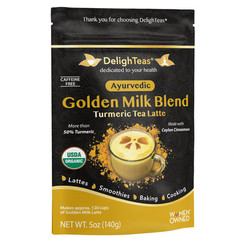
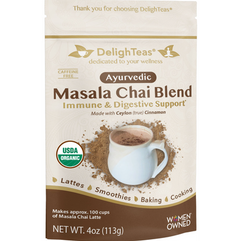
At DelighTeas, we use true Ceylon cinnamon in our Golden Milk and Masala Chai — two of our most beloved blends. We chose Ceylon cinnamon intentionally because of its delicate flavor, exceptional purity, and its long-standing use in traditional culinary and herbal practices –– qualities that align with our commitment to your wellness and authentic Ayurvedic wisdom.
Did you know? Sri Lanka was called Ceylon until 1972, which is where the name ‘Ceylon Cinnamon’ comes from.
The Cinnamon Secret: Ceylon vs. Cassia cinnamon
Here’s a surprising fact that you must know: Most of the “cinnamon” sold in supermarkets today is not true cinnamon at all.
Instead, it is usually Cassia (Cinnamomum cassia) or related species grown in China, Vietnam, or Indonesia (up to 90% in the US and Europe). While both belong to the same botanical family, the spice industry clearly distinguishes True Ceylon cinnamon from Cassia varieties. This means many people who believe they are enjoying cinnamon regularly are actually consuming Cassia (vs Ceylon cinnamon), a different spice with a different chemical profile.
At first glance, they may look similar, but their differences are significant. Much of the traditional reputation of cinnamon in culinary and herbal traditions refers specifically to true Ceylon cinnamon, not cassia.

Coumarin Content:
A very important difference lies in coumarin, a compound found in cinnamon that is not recommended in high amounts. Cassia cinnamon contains significantly higher levels of coumarin, while True Ceylon Cinnamon contains traces of coumarin so low they are barely detectable.
Because excessive coumarin intake has been associated with potential liver concerns, food safety authorities in several regions recommend limiting regular consumption of cassia cinnamon. For this reason, Ceylon cinnamon is widely considered the safer choice for frequent culinary and herbal use.
If the cinnamon in your cabinet is not labeled Ceylon or Cinnamomum verum, there is a strong chance it is cassia.
Bold vs. Elegant Flavor:
Cassia cinnamon delivers a strong, spicy punch largely due to the compound cinnamaldehyde.
Ceylon cinnamon, however, is known for its complex and delicate flavor. Botanical studies show that it contains additional aromatic compounds such as eugenol and linalool, which contribute subtle floral and citrus notes. Many chefs describe it as gentler, sweeter, and more aromatic than Cassia.
The Art of Harvesting Cinnamon
Ceylon cinnamon is special not only because of its flavor, but also because of how it is produced. In Sri Lanka’s coastal “Cinnamon Belt,” harvesting remains a remarkable craft passed down through generations.
Peelers typically begin work early in the morning when humidity makes the bark easier to separate from the wood. Using specialized tools — including a curved knife and a brass rod — they gently loosen the bark from young branches.
The fragile inner bark is then peeled away and allowed to curl naturally as it dries. Smaller pieces are carefully nested inside larger curls in a technique known as “telescoping,” creating the elegant quills associated with true Ceylon cinnamon.
These traditional methods are still practiced today and are documented in Sri Lankan agricultural and cultural histories.
Why DelighTeas® Chooses Ceylon Cinnamon
At DelighTeas, choosing ingredients is not just about amazing flavor; it's about quality, purity, and integrity.
Ceylon cinnamon aligns with the same principles that guide all of our blends:
Authentic, traditional herbal wisdom & benefits
Balanced flavor profiles
Safe ingredients suitable for daily enjoyment
Many people are unaware that the cinnamon referenced in traditional herbal systems and culinary traditions is true Ceylon cinnamon, not cassia. When cinnamon is used thoughtfully in blends like Golden Milk and Masala Chai, its warmth and aroma support digestion, circulation, and overall vitality in a balanced way.
Because of this, we choose true Ceylon cinnamon exclusively in our formulations.
As with all of our blends, we never compromise on ingredient quality.
All of our ingredients are lab-tested to ensure they are free of pesticides, lead, and other heavy metals.
How to Recognize True Cinnamon
If you’re curious whether the cinnamon in your pantry is Ceylon or Cassia, the simplest way to know is that true Ceylon cinnamon will almost always be labeled as such. If it's not labeled, it's likely Cassia.
Here are a few other clues that will help you know it's Ceylon cinnamon:
✔ Check the Latin name: Cinnamomum verum
✔ Look for a pale tan color rather than dark reddish brown
✔ Notice the layered, delicate quill structure (see image above)
✔ Taste the difference: mild, aromatic sweetness vs. strong spice
Experience our Trusted, Fan-favorite Blends
The best way to experience the difference is in a specially crafted, balanced blend. We use true Ceylon cinnamon in two of our most loved teas:
Golden Milk – a warming Ayurvedic blend featuring turmeric, ginger, Ceylon cinnamon, and a pinch of black pepper to increase absorption of turmeric into the bloodstream
Masala Chai – a traditional spice blend with Ceylon cinnamon, ginger, cardamom, nutmeg, cloves, and black pepper
These blends allow you to experience the delicate flavor, quality, and benefits of true Ceylon cinnamon the way it has been enjoyed in traditional herbal practices for centuries.




Sources & References:
Herodotus – Histories (5th century BC)
Pliny the Elder – Natural History
Botanical classification of Cinnamomum verum vs Cinnamomum cassia
Oxford University Plants database
World Agroforestry Centre botanical studies
Sri Lankan agricultural guides on cinnamon cultivation
Historical accounts of Portuguese, Dutch, and British cinnamon trade in Sri Lanka
DEDICATED TO YOUR WELLNESS
Shop DelighTeas® Ayurvedic Teas, Blends & Mini Cookies

Connect with us on Instagram @ainutreats
Have a question about Ayurveda or Ayurvedic Teas?


Comments